Printed photo favors vs. digital galleries: choosing the right keepsake for your event
When planning a celebration, many hosts focus on the experience itself and forget to think about what guests will carry away afterward. A photo booth solves that problem neatly: it creates a shared moment and a physical or digital souvenir in one step. But which format works better for your event? The answer depends on the crowd, the venue, and the kind of memory you want to leave behind.
Printed photo favors have been the standard for years. Guests walk up to a booth, strike a pose, and walk away with a strip or card in hand. Digital galleries, on the other hand, let guests view and download their pictures later, often from a personalized online album. Both approaches have strengths, and understanding the trade-offs helps you pick the right one.
How printed photo favors work
A classic photo booth prints each picture instantly. The guest receives a physical copy right there, often in a branded layout or with event details printed on it. The appeal is immediate: the souvenir exists before the guest leaves the booth. No waiting, no email, no login. For many people, that instant physical object feels more personal and more real than a digital file.
Printed favors also serve as conversation starters. A guest can show the strip to someone standing nearby, or tuck it into a pocket and rediscover it later. They become small keepsakes guests can take home without any extra effort. At weddings and mitzvahs especially, these tangible tokens often end up on refrigerators or in scrapbooks, carrying the memory of the event for years.
That said, printed photo favors have limits. The booth must be staffed and stocked with paper and ink, which means a fixed cost per print. If the event runs long or the line gets long, the host may run out of supplies. And if a guest is unhappy with their shot, they might not get a second chance to reprint.
How digital galleries work
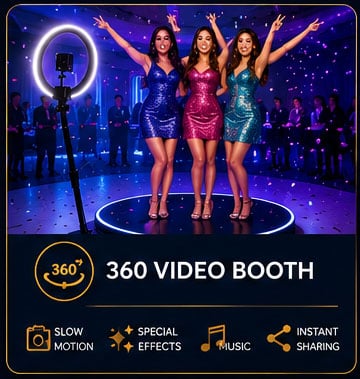
With a digital photo booth, the camera sends each picture to a cloud gallery. Guests can view their photos on a screen at the booth, then receive a link via text or email to access the full album later. Some systems let guests share directly to social media or download high-resolution files. The gallery stays online for weeks or months after the event, so guests can revisit and even print their favorites later.
Digital galleries are convenient for large events where you want to collect hundreds of photos without handling physical media. They also allow for more creative output: animated GIFs, boomerangs, green-screen backgrounds, and group shots that would be hard to print on the spot. The guest flow becomes digital-first, and the host can see exactly which pictures were most popular.
The downside is that digital sharing requires a smartphone and some willingness to interact with a screen. Not every guest is comfortable with that. Older attendees or those who prefer a simpler experience may feel left out. And a digital gallery, no matter how well organized, lacks the tactile satisfaction of a printed memento. It exists somewhere online, not in a handbag or on a fridge.
Comparing the guest experience
The decision often comes down to how you want guests to interact with the booth. Printed favors create a moment of immediate gratification. The guest poses, the camera snaps, and within seconds the print is in their hand. There is no follow-up step, no worry about whether the link will arrive. This works especially well for events where the photo booth is a station among others: guests can grab their print and move on.
Digital galleries, by contrast, extend the experience beyond the event. Guests can share their pictures later, comment on others, and download the best shots. This suits events where people want to stay connected after the party ends, like reunions, corporate retreats, or milestone birthdays. The gallery becomes a shared archive that everyone can revisit.
Some hosts combine both approaches: a small print at the booth plus a digital gallery for the full set. That hybrid model gives guests an instant keepsake while preserving the entire collection online. It does raise the cost and complexity, but for many events the added value is worth it.
When to choose printed photo favors
Printed photo favors shine at events where the focus is on the here and now. Weddings, for example, benefit from the tangible strip that guests can place in a guest book or take home as a favor. Bar and bat mitzvahs, where younger attendees love holding something physical, also lean toward prints. The same goes for birthday parties and family reunions where the goal is immediate fun.

Printed favors also work well in venues with limited cell reception or where you want to keep guests off their phones. A busy dance floor or a crowded cocktail hour does not lend itself to typing in a link. Handing someone a print is effortless.
On the downside, printed photo favors are harder to manage for very large crowds. If you expect more than a few hundred guests, the booth will need frequent reloads and a dedicated attendant. And you cannot offer the same customization that digital galleries provide: each print looks the same, and there is no way to include animations or multiple layouts.
When to choose a digital gallery
Digital galleries are a strong choice for corporate events, galas, and product launches where you want to capture brand imagery and share it quickly. Guests can tag themselves and spread the photos across their own networks, which extends the reach of the event. The gallery also serves as a marketing asset: the host can review which photos got the most engagement.
For events with a younger demographic, digital sharing feels natural. Text sharing and social media integration mean the photo moves from booth to feed in seconds. The gallery can also include extras like sketch portraits or trading card templates that are hard to produce on the spot. A sharing station near the booth lets guests preview and send their pictures without crowding the camera.
The main drawback is that a digital gallery can feel impersonal. Without a physical object, the photo is just one more file in a sea of digital clutter. Guests may forget to check the link, or the link may get buried in their inbox. The emotional weight of a printed strip is hard to replicate on a screen.
Still, digital galleries offer flexibility that prints cannot match. You can update the gallery after the event, add captions, and let guests reorder prints. The host controls the timeline: the gallery stays live as long as needed, and guests can access it from anywhere.
Making the call
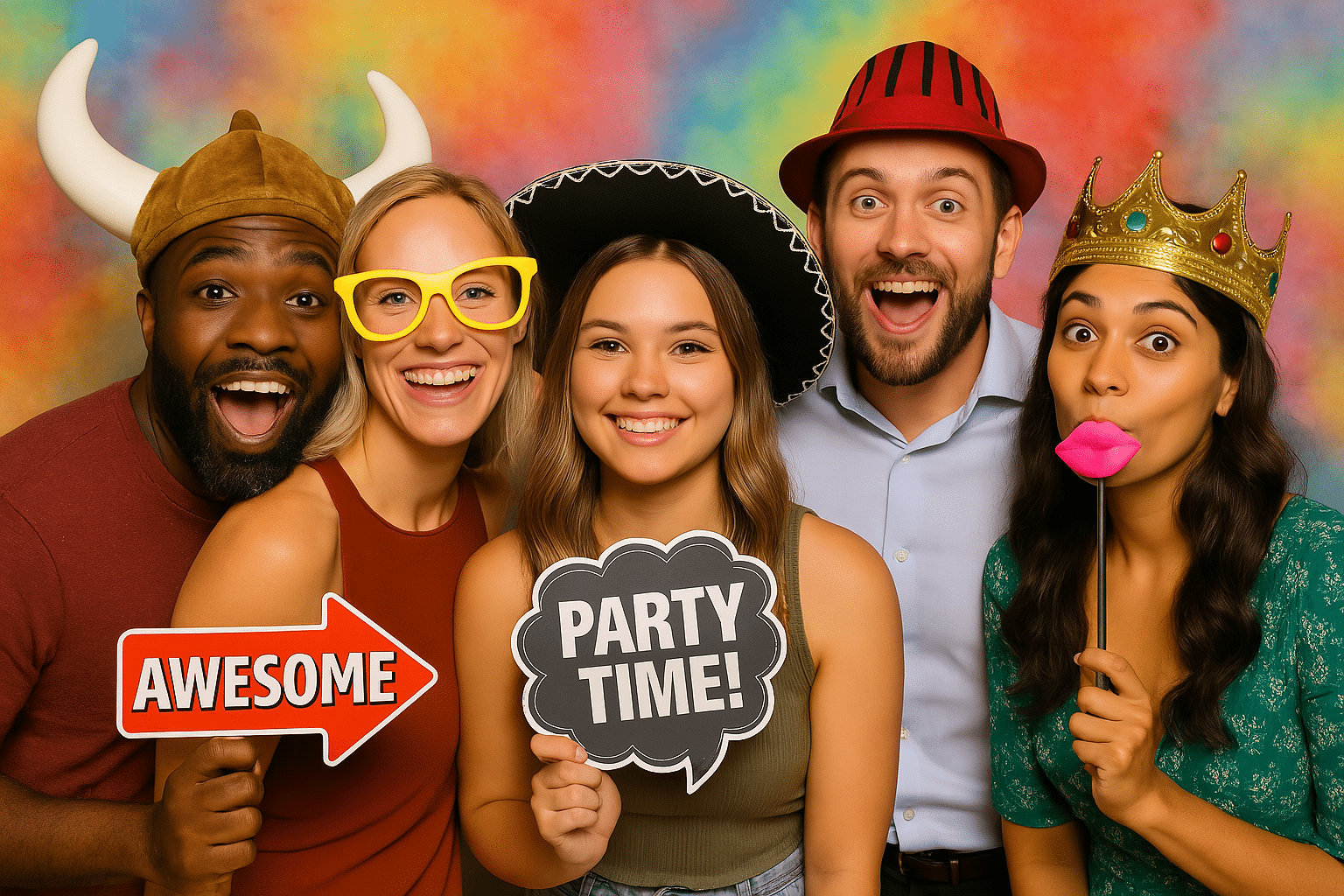
There is no single right answer. The best choice depends on your guest list, your venue, and the mood you want to create. If you want guests to walk away with a small, tangible token of the evening, printed photo favors are hard to beat. They create that immediate sense of fun and provide keepsakes guests can take home without any extra steps.
If you prefer a lasting archive that guests can share and revisit, a digital gallery offers more options and more flexibility. And if your budget and logistics allow, combining both gives you the best of both worlds.
Whatever you choose, make sure the booth experience itself is polished and staffed. A well-run photo station with a friendly attendant will make any format feel special. The photo is just the final frame of a bigger picture: the memory of a great event.